




Artificial intelligence (AI) is poised to take a leading role in the evolution of the cruise sector, according to industry leaders gathered at the 15th International Cruise Summit (ICS) held in Madrid on November 18-19, 2025.
Executives discussed how AI is already optimizing critical areas such as itinerary planning, environmental impact management, and online sales. Major travel platforms are also leaning into this shift; for example, Expedia recently debuted an AI-powered travel planner projected to serve 400 million users.
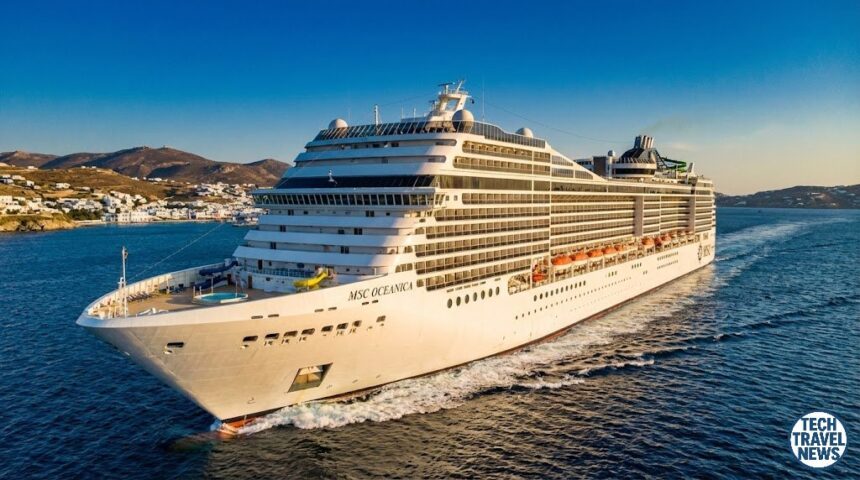
Personalization and the Digital Guest Experience During a presentation on technology and innovation, Luca Pronzati, Chief Business Innovation Officer at MSC Cruises, explained how AI, sensors, and data analytics are reshaping the passenger experience. He emphasized that the modern traveler is increasingly “centric” to operations, demanding consistent and frictionless digital interactions.
Pronzati argued that digital transformation offers a unique opportunity to build emotional connections with guests. However, he cautioned that success depends on maintaining a balance where technology enriches—rather than replaces—human interaction.
Industry Growth and Economic Impact The summit was inaugurated by tourism officials from Madrid and Puertos del Estado. In his keynote address, Niels Wammen-Jensen of the Cruise Lines International Association (CLIA) shared key statistics:

- Passenger Volume: 35 million passengers in 2024, representing 3% of global tourism.
- Economic Contribution: A $198 billion global economic impact (an 18% increase from 2023).
- Employment: The industry supports 440,000 jobs in Europe alone.
Looking ahead, CLIA predicts passenger numbers will grow by another three million in 2025.
Sustainability and Shore Power With growth comes increased responsibility. The industry identified three main pillars for sustainable action: reducing ship emissions, investing in green tech, and collaborating with cities for responsible tourism.



Significant progress has been made in shore power connectivity. In 2023, only 25% of the global fleet could connect to shore power; that figure has now doubled to 50%, with projections hitting 85% by 2036. The fleet is also increasingly capable of utilizing alternative fuels like biofuels and synthetics.
Managing Destinations and Perceptions A “Great Debate” featuring CEOs from TUI Cruises and Mystic Cruises, alongside port officials, focused on the relationship between cruise lines and destinations. The panel stressed the importance of volume management and seasonality to prevent overcrowding. They also highlighted the need for better communication to show local communities the true economic value of cruise tourism, suggesting that destinations create master tourism plans involving both the private sector and public authorities.
Other Key Takeaways
- Luxury Boom: The luxury cruise segment is expanding three times faster than the industry average, driven by high-end brands like Ritz-Carlton and Four Seasons.
- Social Media: Engaging content on social platforms is now considered “fundamental” to sales strategies.
- Climate Adaptation: The industry is debating the viability of afternoon and evening calls as summer temperatures in some cities are predicted to reach 45°C (113°F).
The next International Cruise Summit is scheduled for November 10-11, 2026, in Madrid.