






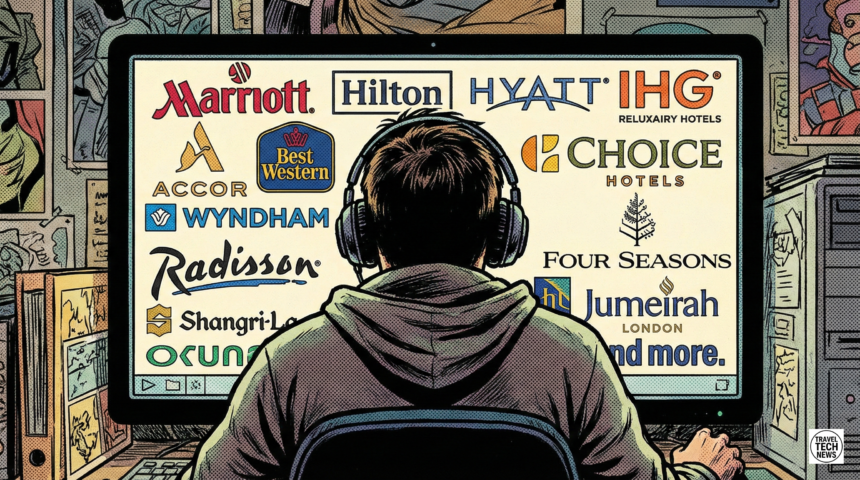
The Situation Airbnb is changing its strategy. The company CEO, Brian Chesky, recently declared that “hotels are the future of Airbnb.” To compete with giants like Booking.com, Airbnb is adding more hotels to its platform and changing its fee structure to look more like a traditional Online Travel Agency (OTA).
The Big Question With Airbnb becoming just another booking site, industry experts are debating: Do hotels actually need another massive middleman?
The “No” Argument (Skepticism) Many experts believe the industry is already saturated.
No New Value: Critics argue that simply reshuffling bookings from one site to another doesn’t help hotels. Unless Airbnb brings new travelers who wouldn’t have booked otherwise, it is just another cost center.


Defensive Move: Experts point out that Airbnb is likely doing this because they are losing market share to Booking.com. It is a move out of fear, not innovation.
Rising Costs: As seen with other booking sites, increased competition often leads to higher commissions charged to hotels, hurting their profits.



The “Yes” Argument (Opportunity) Some experts see a silver lining.
Breaking the Duopoly: Currently, Expedia and Booking.com dominate the market. A third strong player could force them to compete, potentially giving hotels more leverage in negotiations.
New Audiences: Airbnb attracts a different type of traveler—younger, design-conscious people looking for “experiences” rather than just a room. Independent and boutique hotels could reach customers here that they miss on other sites.
The Verdict The consensus is that hotels don’t necessarily need another booking giant, but they can use it to their advantage.



Be Strategic: Hotels should not rely on Airbnb as a savior. Instead, they should use it strictly to fill gaps and reach niche audiences.
Focus Direct: The ultimate goal for any hotel remains the same: use booking sites for visibility, but try to get guests to book directly to save on commission fees